Mazda de beste Japanse auto’s
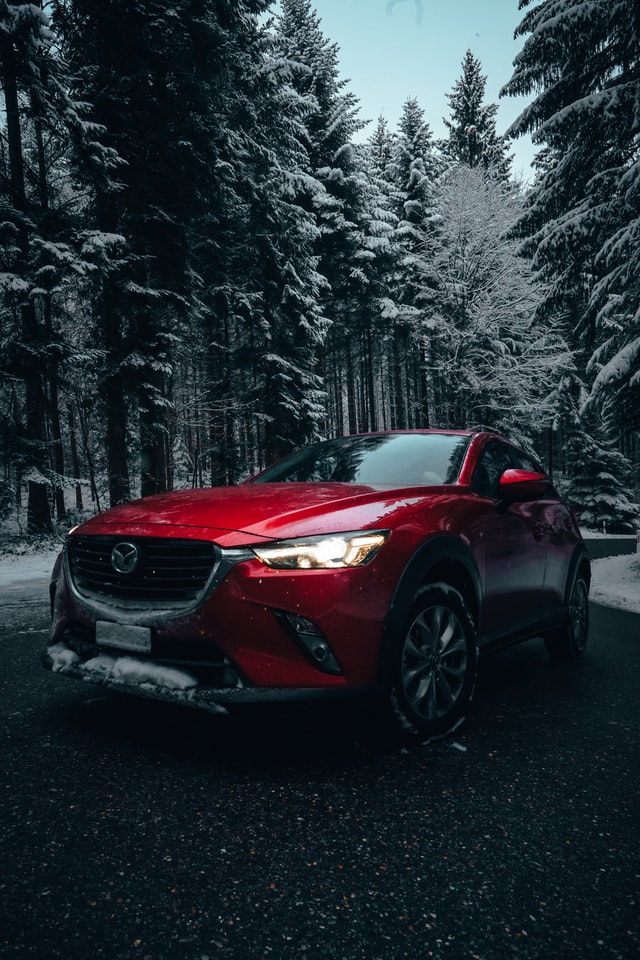
Al decennialang hebben Japanse auto’s een zeer goede reputatie op de Nederlandse markt. Vooral hun hoge betrouwbaarheid maar ook de aantrekkelijke prijs dragen hier zeker aan toe bij. Mazda is een van de Japanse topmerken die ons straatbeeld al sinds de vroege jaren 80 van de vorige eeuw sieren, overigens met wisselend succes. Waarom Mazda de beste Japanse auto is zullen we je vertellen.
Hierom is Mazda de beste Japanse auto
Niet alleen in Nederland en in Europa doet Mazda het goed. Het afgelopen jaar werd het Japanse merk in Amerika zelfs tot het beste automerk uitgeroepen. Dat zegt natuurlijk nogal wat. Naast de zeer hoge betrouwbaarheid, in ons land staat het merk steevast in de top 5, staat Mazda vooral bekend dat alle modellen zeer prettige rijeigenschappen hebben. Ook zijn ze stuk voor stuk uiterst wendbaar. De autofabrikant gebruikt daarnaast moderne en zeer efficiënte motortechnologieën. Bovendien hebben alle modellen en lichtgewicht constructie. Door hier continue in te blijven verbeteren, weten zij ook steeds weer het brandstofverbruik te verlagen.
In alle ranges scoort Mazda hoog. Van de instapper, de Mazda 2, de zeer fraai en hoogwaardig afgewerkte Mazda3 en Mazda6 tot aan de luxe Mazda CX-5. In alle tests scoren ze allemaal uitstekend.
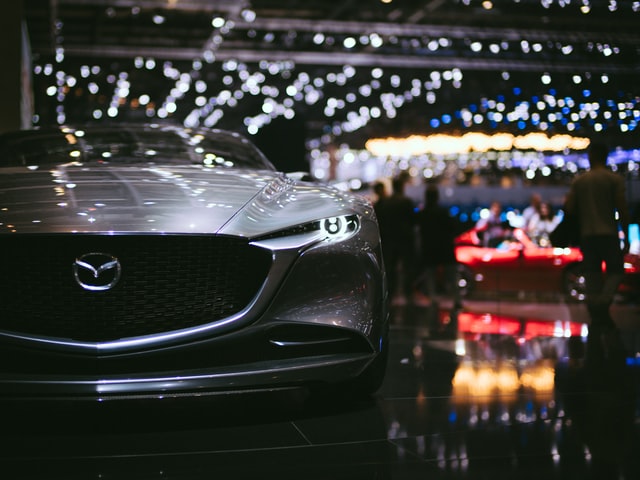
De MX-5 is al sinds jaar en dag een unieke betaalbare sportwagen in zijn klasse waarmee je goed voor de dag kunt komen. Maar het parade paardje is natuurlijk de RX-serie. Het succes begon met de RX-7 in het najaar van 1978. Het was een betaalbare sportauto. Geen grote cilinder inhoud maar een wankelmotor met slechts 1300 CC. Toch wist men hier uiteindelijk in de laatste generatie (1991-2002) maar liefst 250 PK uit te halen. De opvolger, de RX-8 was nog verder geperfectioneerd en ook het brandstofverbruik was met maar liefst 30 procent gereduceerd. Naar verluid wordt er nu gewerkt aan de ontwikkeling van de RX-9. Deze is gebaseerd op de in 2015 getoonde conceptcar. Het wordt een zeer spectaculair model dat van een rotatiemotor wordt voorzien waar zo’n 300 PK uit zal worden geperst. Het wordt een geduchte concurrent voor onder meer de Porsche Cayman. Zo wordt het succesverhaal van de RX-serie weer een vervolg gegeven.
Marktaandeel
De Japanse automerken hadden tot aan de eind jaren 90 een groot marktaandeel in ons land. Ook Mazda deed het meer dan goed. Vooral de Mazda 323 en 626 waren echte commerciële toppers. Zo was de Mazda 626 een zeer geliefde leaseauto in die tijd.
Ondanks de hoge kwaliteit en betrouwbaarheid van de auto zakte het hierna in met een dieptepunt in 2011. Toen daalde het markaandeel in Nederland tot onder de 1 procent.
Mazda heeft hier in de jaren daarna weer een enorme slag gemaakt. Vandaag de dag is dit, vooral door het succes van de Mazda 2, Mazda 6 en de stoere Mazda CX-5 weer een stuk verbetert. Het marktaandeel schommelt nu zo tussen 2 tot 2,5 procent. In absolute aantallen betekent dit zo’n 7.000 tot 11.000 auto’s per jaar.
Hoe zet je een nieuw aangekochte auto op naam?
Als je een nieuwe auto hebt gekocht moet je deze laten overschrijven. Koop je een auto bij een dealer, dan zal deze alles regelen. Als je de auto van een particulier koopt, dan zijn er verschillende mogelijkheden. Hieronder zullen uitleggen hoe het werkt.
Zo schrijf je een auto over
Een auto overschrijven kan bij veel PostNL-locaties of een RDW-balie. Als je een Android telefoon met NFC-lezer hebt, kan het ook via de RDW website. Voor de overschrijving van de auto heb je de volgende zaken nodig van de verkoper:
- Het overschrijvingsbewijs of de kentekencard waarop de tenaamstellingscode staat vermeld.
- Het originele tenaamstellingsbewijs (Deel IB)
- Een geldig legitimatiebewijs van jezelf als koper
Je kunt nu de auto op je naam zetten. Hierbij ontvang je het tenaamstellingsverslag dat als bewijs geldt dat de auto is overgeschreven. Op het verslag staat ook de eerste vier cijfers van de zogenaamde tenaamstellingscode. Deze heb je op het moment dat je jouw auto gaat verkopen weer nodig. De laatste vijf cijfers van de tenaamstellingscode vind je terug op de kentekencard die je binnen een paar dagen via de post ontvangt. Het is dus erg belangrijk dat je beide goed bewaart.
Huur een auto bij Greenwheels
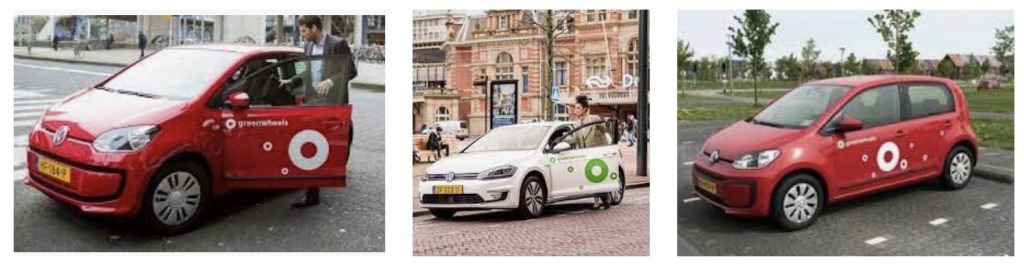
Heb jij geen auto, maar heb je er zo nu en dan wel een nodig, dan is Greenwheels de perfecte oplossing voor jou. Het is een duurzame oplossing die je de mogelijkheid geeft om een auto de delen met anderen zonder dat je er een hoeft te kopen. Ook heb je geen last van alle terugkomende kosten voor onderhoud, verzekering et cetera. Hoe Greenwheels werkt zullen we je uitleggen.
Zo werkt het concept van Greenwheels
Het idee achter Greenwheels is dat iedereen die een abonnement heeft, een auto kan reserveren op het moment dat dit nodig is. De auto’s staan verspreid door heel Nederland op vaste locaties. Je kunt de auto ophalen en terugbrengen op het moment dat jij wilt. Je moet hem wel weer op de Greenwheels-locatie terugzetten.
Registratie bij Greenwheels kan met je OV kaart of je vraagt een Greenwheels kaart aan. Je betaalt eenmalig een borg van 225 Euro. Er zijn verschillende abonnementsvormen beschikbaar. Bij enkele daarvan kan je tot maximaal drie bestuurders toevoegen. Er zijn ook zakelijke abonnementen waarbij je een onbeperkt aantal bestuurders kunt toevoegen. Uiteraard zijn er wel een aantal voorwaarden verbonden. Deze vind je terug op de website van Greenwheels.
Jouw Mazda in een ander uiterlijk
Mazda is jaren een van de betrouwbaarste auto’s die je kunt kopen. Daarnaast hebben ze ook nog eens een fraai design en goede rijeigenschappen. Ben jij de gelukkige bezitter van een Mazda maar wil je hem een wat stoerder uiterlijk geven? Dan moet je zeker even verder lezen. Laat je jouw auto chippen dan krijgt die ook nog eens extra vermogen.
Je auto pimpen
Wil je het uiterlijk van jouw Mazda pimpen, dan heb je diverse mogelijkheden. Vaak begint het met een stoere set velgen. Vaak zijn er ook sportieve verlichtingssets verkrijgbaar. Vind je dat allemaal maar een beetje saai, kan je jouw auto van spoilers, luchthappers en zijskirts voorzien en in een stoere kleur laten overspuiten. Zo krijgt jouw Mazda een compleet nieuw uiterlijk.
Je auto chippen
Wil daarnaast ook meer vermogen? Laat dan je auto chippen. Dit is bij veel garages mogelijk en is geheel legaal. Je garantie zal wel vrijwel altijd vervallen. Ook is er vaak ook een beveiliging ingebouwd. Hier weten de meeste garages wel om heen te werken. Je auto chippen is ook mogelijk door middel van power-box-tuning. Als je de powerbox volledig kan je niet meer zien dat de auto gechipt is geweest.
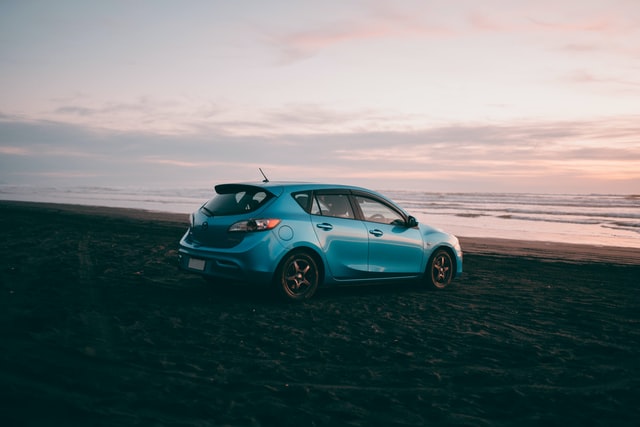
Verzeker je Mazda tegen schade bij de ANWB
Mazda is sinds jaar en dag een heel betrouwbaar automerk. Toch zit een ongeluk helaas ook voor Mazdarijders in een klein hoekje. Het is dus heel verstandig om jouw Mazda goed te verzekeren. Ben je op zoek naar een goede autoverzekering? Kijk dan eens bij de ANWB. Met een ANWB autoverzekering kan je met een veilig gevoel de weg op.
Over de ANWB autoverzekering
Met een ANWB autoverzekering is jouw auto inclusief de inzittenden altijd goed verzekerd tegen autoschade. Bij het afsluiten van een ANWB autoverzekering heb je de keuze uit twee mogelijkheden. Allereerst is dit de reguliere Autoverzekering. Je kunt ook kiezen voor de Veilig Rijden Autoverzekering.
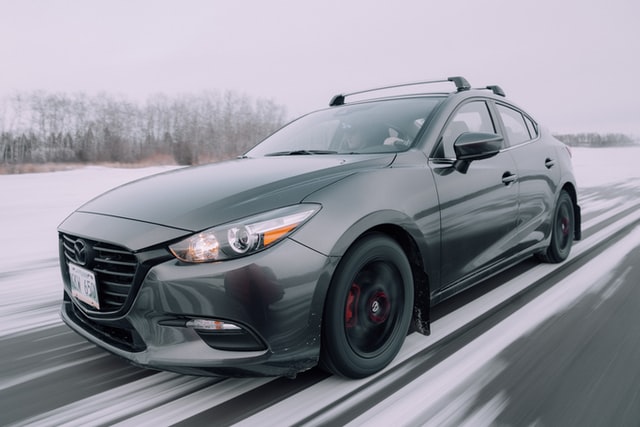
Wat is Auto Trader?
Auto Trader, een van oorsprong Brits bedrijf, is de intermediair tussen enerzijds de adverteerder en anderzijds de consument die op zoek is naar een geschikte auto. De Autotrader website zorgt ervoor dat de adverteerder zijn auto op effectieve manier te koop kan zetten. De consument kan via handige zoekfuncties en filters heel snel en eenvoudig de auto vinden die bij hem of haar past.
De verschillende kanalen van Autotrader
De website van Autotrader kent verschillende kanalen waardoor er voor iedereen die een auto zoekt een volledig aanbod binnen het segment van zijn of haar keuze te vinden is. Op Autotrader vind je een kanaal voor auto’s, bedrijfswagens, klassiekers en motoren.
Naast de standaard website, heeft Autotrader ook een mobiele website. Deze doet zeker niet onder voor de gewone. Alle functies zoals uitgebreid zoeken, het bekijken van informatie of foto en videomateriaal zijn allemaal beschikbaar. Ook heel handig is dat je informatie over je favoriete voertuigen kunt opslaan of doorsturen per e-mail, Twitter of Facebook. Ook is het mogelijk dat je direct de aanbieder van de auto kunt bellen voor het maken van een afspraak of uiteraard een proefrit. Je kunt de app downloaden in de Appstore of Google Play.